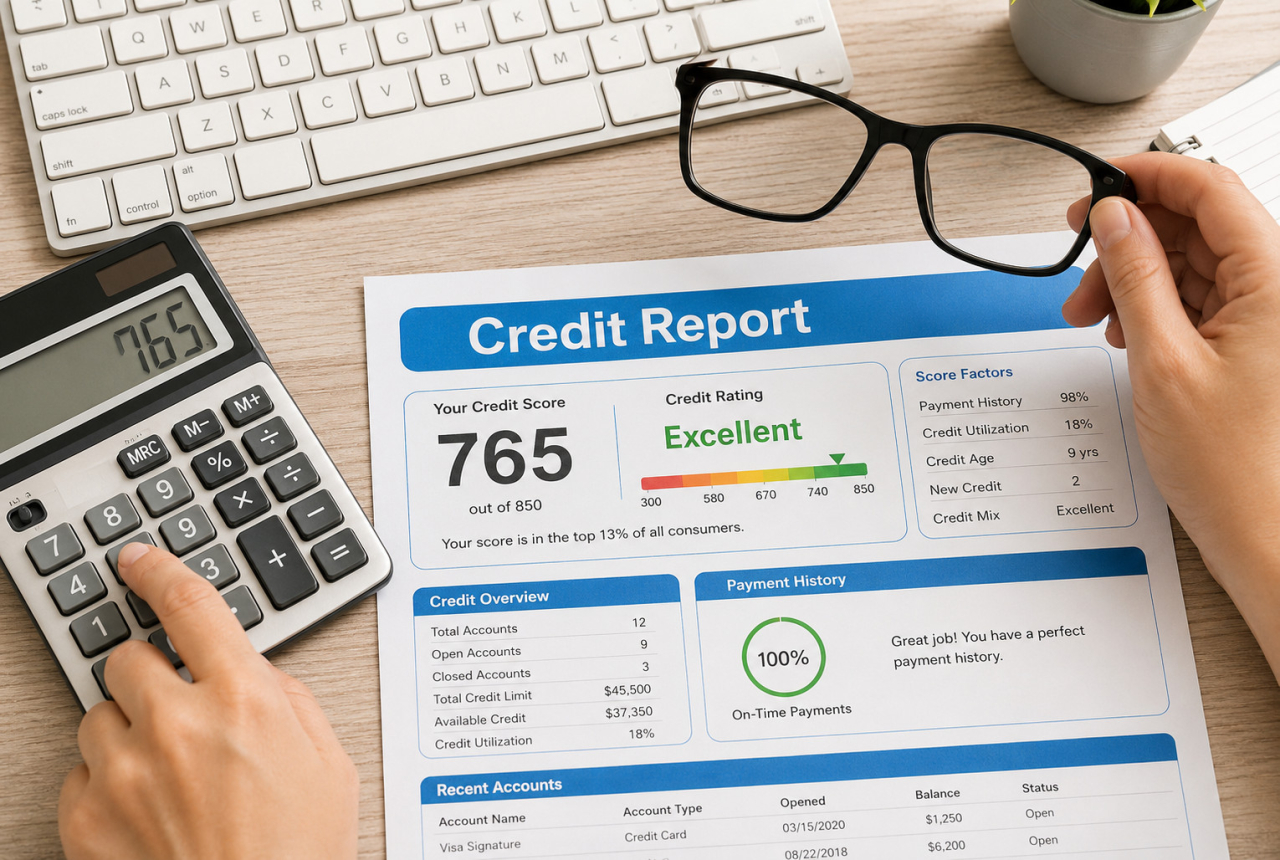
Simply put, a tradeline is any credit account listed on your credit report. Every credit card you carry, every loan you've taken out, every line of credit extended to you appears on your report as a tradeline. Each one contains a snapshot of that account: the type of credit, the credit limit, the current balance, your payment history, and whether the account is in good standing. Credit bureaus collect this information from lenders and use it to build the credit profile that determines your score.
Why Tradelines Matter
When people ask what is tradeline on credit report, they are usually trying to understand the individual accounts that shape their credit history. Your credit report is essentially a record of your borrowing history, and tradelines are the individual entries that make up that record. Lenders, landlords, and even some employers use your credit report to assess how responsibly you manage financial obligations. The tradelines on your report are what they're actually reading.
Credit scoring models like FICO and VantageScore analyze your tradelines across several dimensions to arrive at your score. Payment history carries the most weight at 35%, followed by credit utilization at 30%, length of credit history at 15%, credit mix at 10%, and new credit inquiries at 10%. Every tradeline on your report feeds into one or more of these categories, which is why the quality and variety of your accounts matters so much.
A credit file with multiple well-managed tradelines — old accounts, low balances, and consistent on-time payments — produces a strong score. A thin file with few accounts, or one with missed payments and high balances, produces a weaker one.
The Two Main Types of Tradelines
Not all tradelines are created equal. They fall into two broad categories, each of which affects your credit profile differently.
Revolving Accounts
Revolving accounts include credit cards and home equity lines of credit. What makes them "revolving" is that your balance fluctuates month to month — you can borrow, repay, and borrow again up to your credit limit. Because these accounts are flexible, credit scoring models pay close attention to how much of your available limit you're actually using at any given time. Keeping your balance low relative to your limit — ideally below 30% — signals responsible credit management and helps your score.
Installment Loans
Installment loans include personal loans, auto loans, student loans, and mortgages. Unlike revolving accounts, these have a fixed loan amount that you repay in set monthly installments over a predetermined period. The most important factor with installment tradelines is consistency — making every payment on time, every month, without exception. Missed or late payments on installment loans leave a mark on your credit file that can take years to fade.
Having both types of tradelines on your report demonstrates to lenders that you can manage different forms of credit responsibly, which is reflected in the credit mix component of your score.
Authorized User Tradelines
One of the most effective and underutilized strategies for improving your credit profile is becoming an authorized user on someone else's credit card account. When a primary account holder adds you as an authorized user, their account history — including the credit limit, account age, and payment record — can appear on your credit report as a tradeline.
This means that if the primary account holder has maintained a card for ten years with a high credit limit and zero missed payments, you gain the benefit of that history without having been responsible for a single payment. It's a legitimate and legal strategy that's been used for decades, often within families where parents help their children establish credit.
The key is ensuring the primary account holder has genuinely strong credit habits, and that the credit card company reports authorized user accounts to all three major bureaus — Equifax, Experian, and TransUnion. Not all issuers do this automatically, so it's worth verifying before moving forward.
Using Tradelines to Repair Your Credit
If your credit score is lower than you'd like, adding positive tradelines is one of the most practical steps you can take. This can mean opening a new secured credit card and using it responsibly, diversifying into an installment loan, or becoming an authorized user on a well-established account through a reputable tradeline company.
The goal is to gradually shift the balance of your credit report toward positive information — longer account ages, lower utilization, and a cleaner payment history. Tradelines won't erase negative marks overnight, but they can meaningfully improve the overall picture your credit report presents to lenders.
Understanding your tradelines puts you in control of your credit story. And the better you manage that story, the more financial opportunities become available to you.

